

3 Principles: 3 – Symbiosis
Win-Win for all

NOTE: This short essay was conceived as part 4 of a full essay, (where I have copied this) which you can read here.
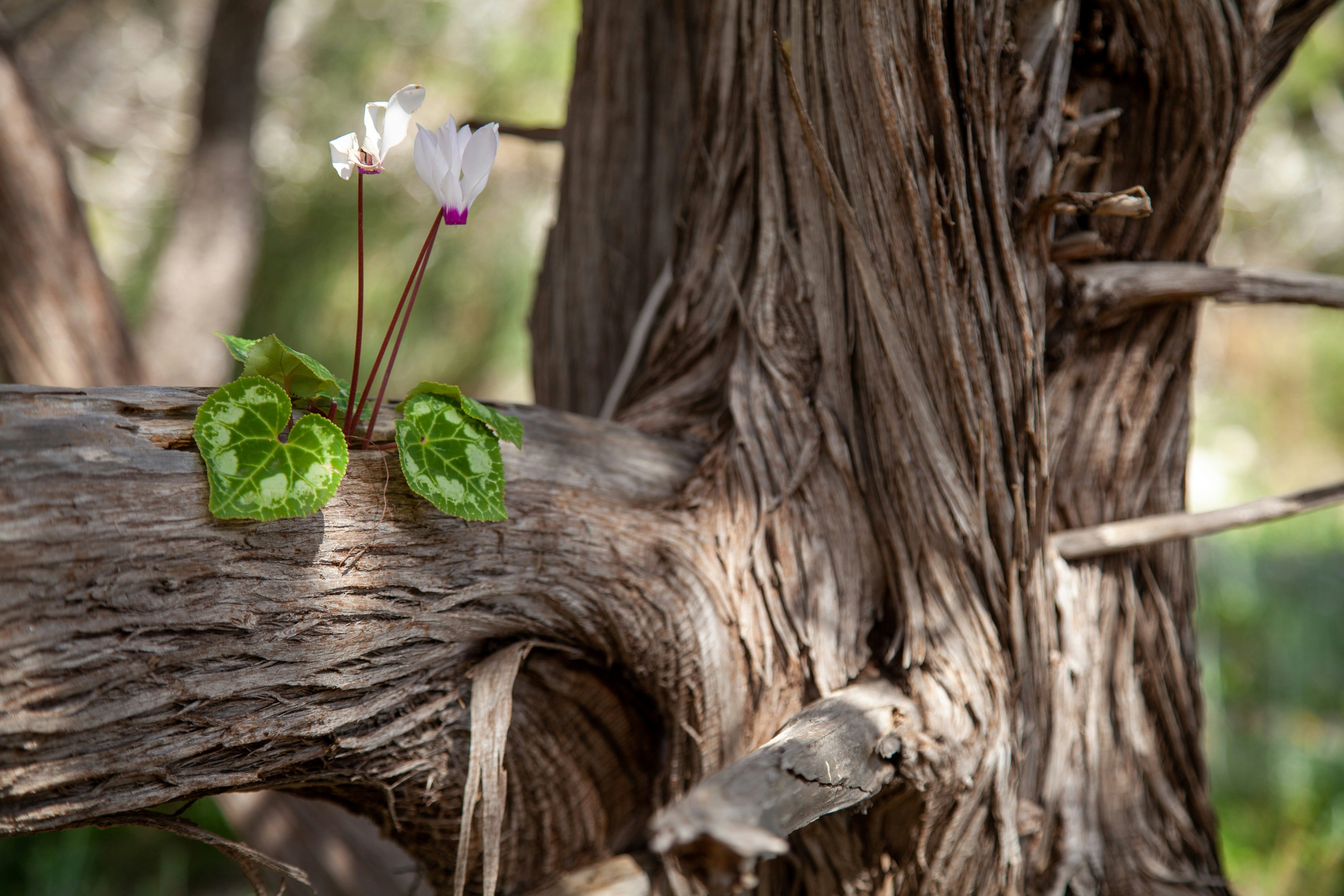
The term symbiosis in biology refers to different species living closely together in a way that is usually1 mutually beneficial. I'm using the term to refer to mutually beneficial arrangements between groups of people. Successful organizations operate in a state of symbiosis with their customers or members. Reciprocity can go beyond “I give you money and you give me a product or service”, though that is often the baseline needed for organizational survival. Sometimes referred to as “win-win,” creating symbiosis means looking beyond selfish motivations of “how much can I extract from you?” towards creative ways to expand value for everyone involved.
Often one of the best ways to come up with the sorts of arrangements that increase symbiosis is through participation. Having a better understanding of how to meet the needs of your stakeholders will often reveal ways your organization can provide more value.
It's also possible to look for symbiosis beyond your closest stakeholders and out into the surrounding community and wider world. For instance, finding ways to reduce energy use is beneficial for the environment but also for your expenses. Keep in mind, however, that true symbiosis goes beyond superficial PR stunts which will eventually be exposed as shallow and self-interested. Look for authentic ways to live out your stated organizational values and invite your customers or members to come along with you.
In your organization, what creative ways can you create symbiosis with your various stakeholders?
Technically “parasitic” relationships are included in biological symbiosis, but I would exclude that from my usage here.